



Window Graphics in Cumming, GA That Turn Glass Into Marketing
Custom Window Graphics and Decals for Business Visibility
Your windows are valuable marketing space. Signary Custom Signs and Graphics creates custom window graphics in Cumming, GA designed to attract attention, promote your brand, and increase customer engagement.

What Are Window Graphics?
Window graphics are vinyl graphics, decals, or lettering applied to glass surfaces to promote your business, provide information, or enhance branding.
They are commonly used for:
Storefront branding
Promotions and messaging
Privacy and design
Business identification
Window graphics are a cost-effective way to maximize your visibility.
Types of Window Graphics
Vinyl Lettering
Clean, professional text applied directly to glass

Full Window Graphics
Cover large sections of glass for maximum visual impact
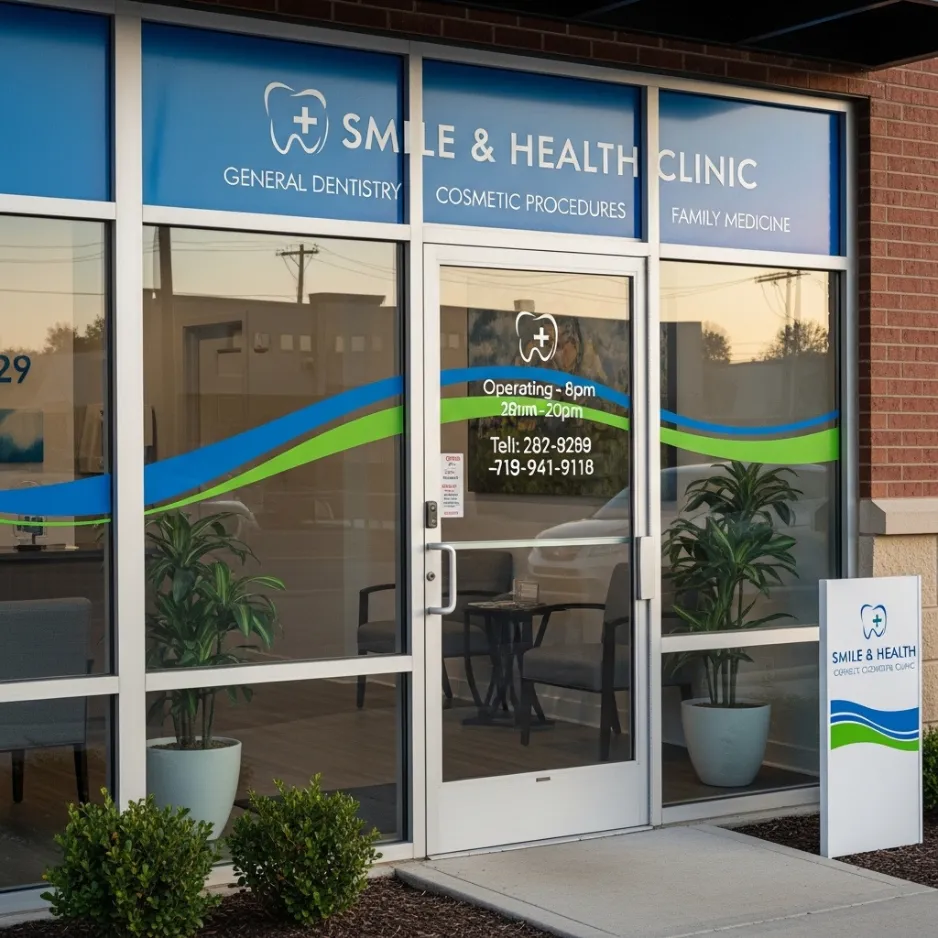
Perforated Window Graphics
Allow visibility from inside while displaying graphics outside
Frosted Window Graphics
Provide privacy while maintaining a modern look
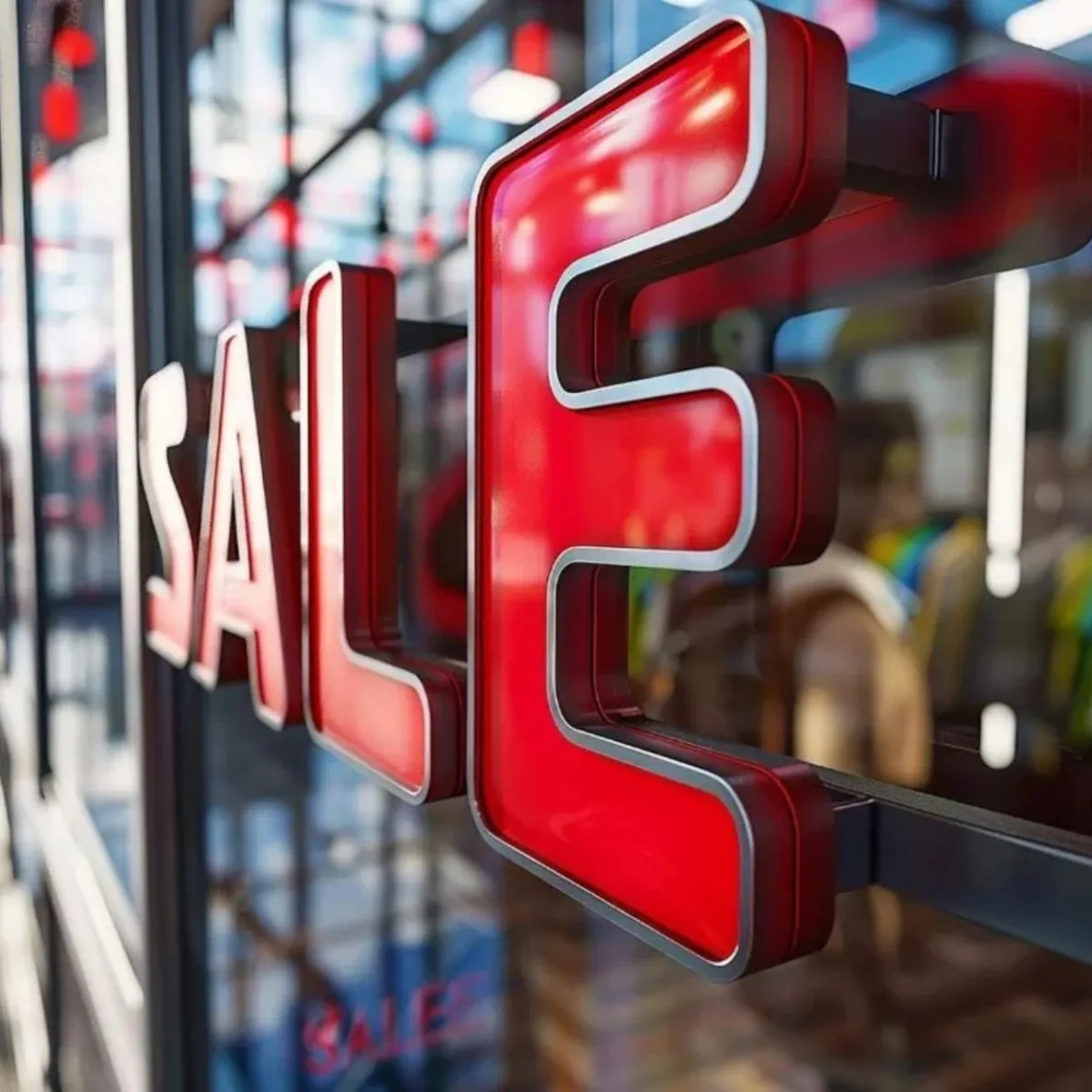
Promotional Graphics
Highlight sales, offers, or seasonal messaging

Who Uses Window Graphics
Window graphics are ideal for many businesses.
Retail Stores
Promote products, sales, and branding.
Restaurants and Cafes
Attract customers and display key information.
Offices and Professional Services
Add branding and privacy.
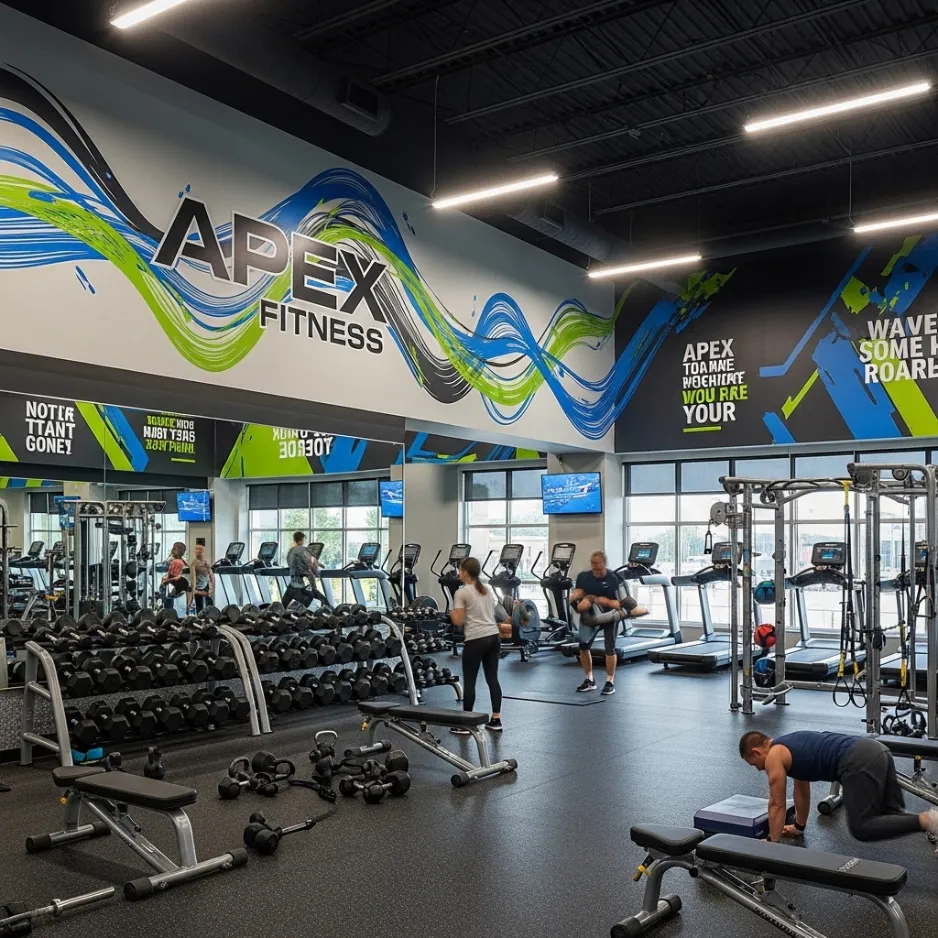
Fitness Centers
Showcase services and create visual energy.
Why Window Graphics Work
Cost Effective Marketing
One of the most affordable ways to increase visibility.
Immediate Impact
Customers see your message instantly.
Flexible and Updatable
Graphics can be changed as your business evolves.
Enhances Storefront Appeal
Creates a more polished and professional look.
A Custom Window Graphic Design
Every storefront is different.
We design window graphics based on:
Your brand and messaging
Visibility from foot and vehicle traffic
Glass size and layout
Privacy needs
Promotional goals
The goal is to create graphics that attract attention and drive action.
Window Graphics in Cumming, GA
We provide window graphic solutions across:
Cumming, GA
Forsyth County
Alpharetta
Gainesville
Johns Creek
Milton
Roswell
We understand what works locally to attract attention and customers.
Our Process

Consultation
We learn about your business and goals.

Design
We create custom graphics tailored to your storefront.

Production
Your graphics are produced using high quality vinyl materials.

Installation
Professional installation ensures a clean and seamless finish.
Frequently Asked Questions
Are window graphics removable?
Yes. Most graphics can be removed or updated as needed.
Do window graphics block visibility?
Perforated options allow visibility from inside while displaying graphics outside.
How long do window graphics last?
Durability depends on materials and exposure, but they are built for long term use.
Can window graphics be customized?
Yes. All graphics are custom designed for your business.
✦ Our Services
Explore Related Sign Services
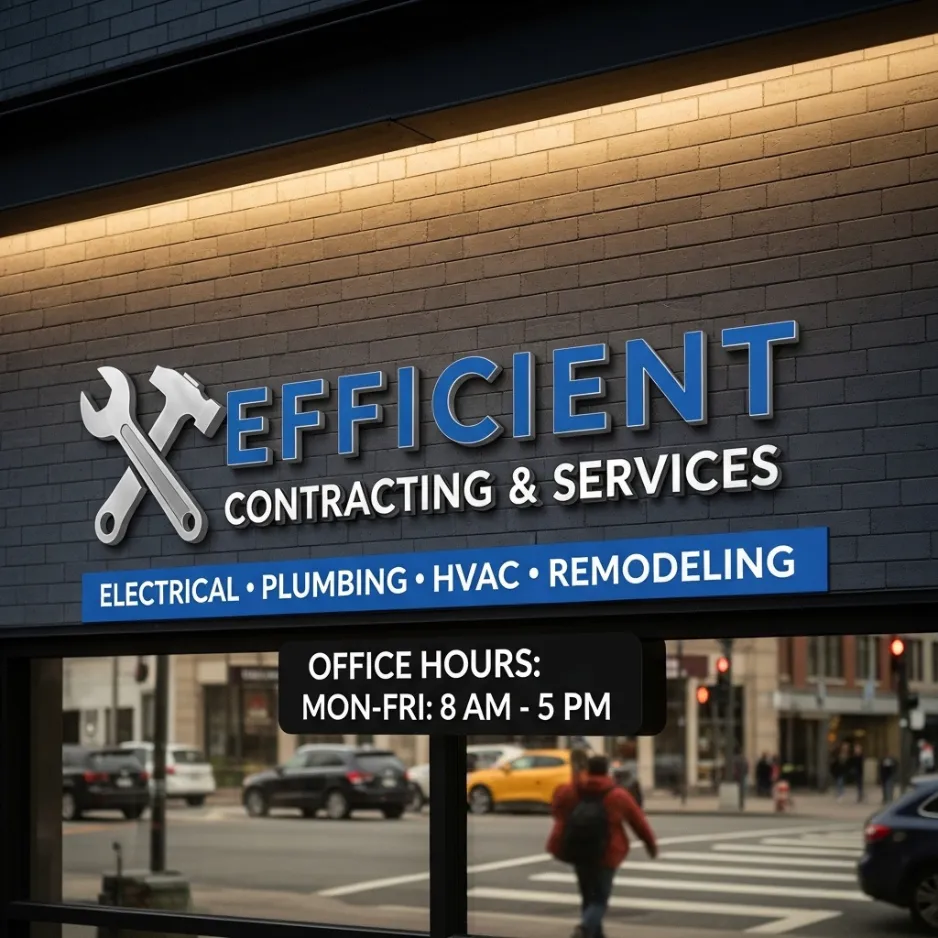
Storefront Signs in Cumming, GA
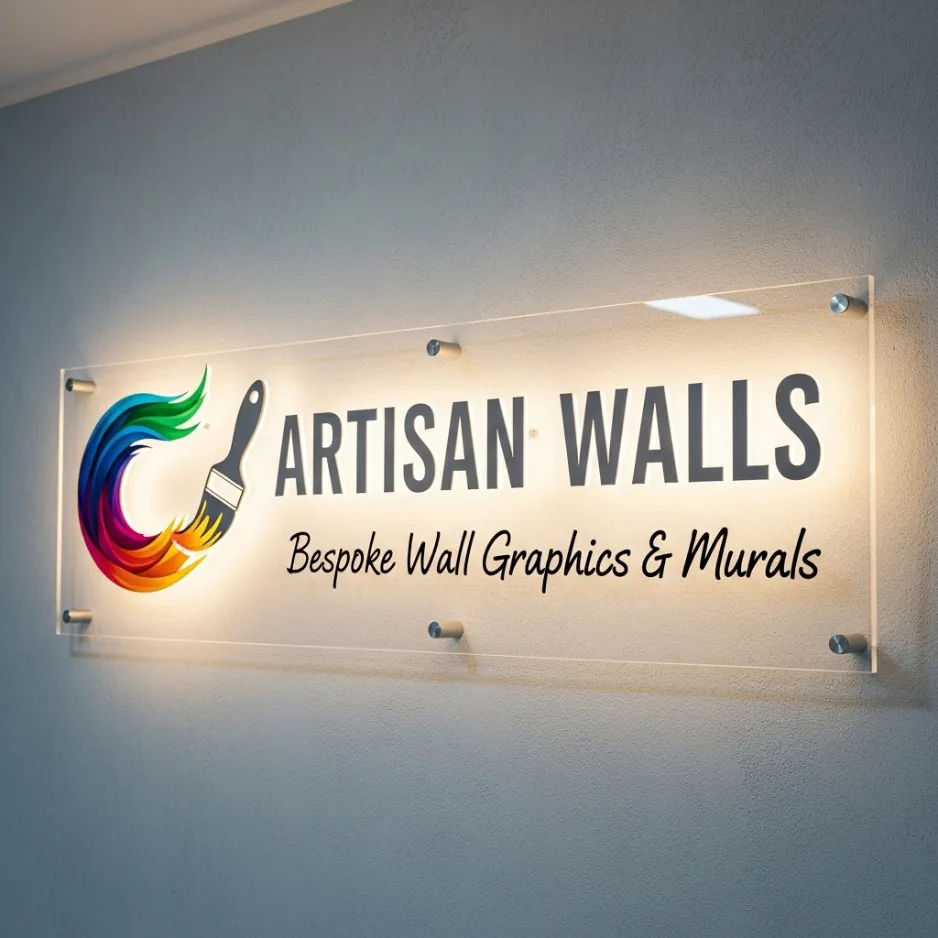
Wall Graphics in Cumming, GA
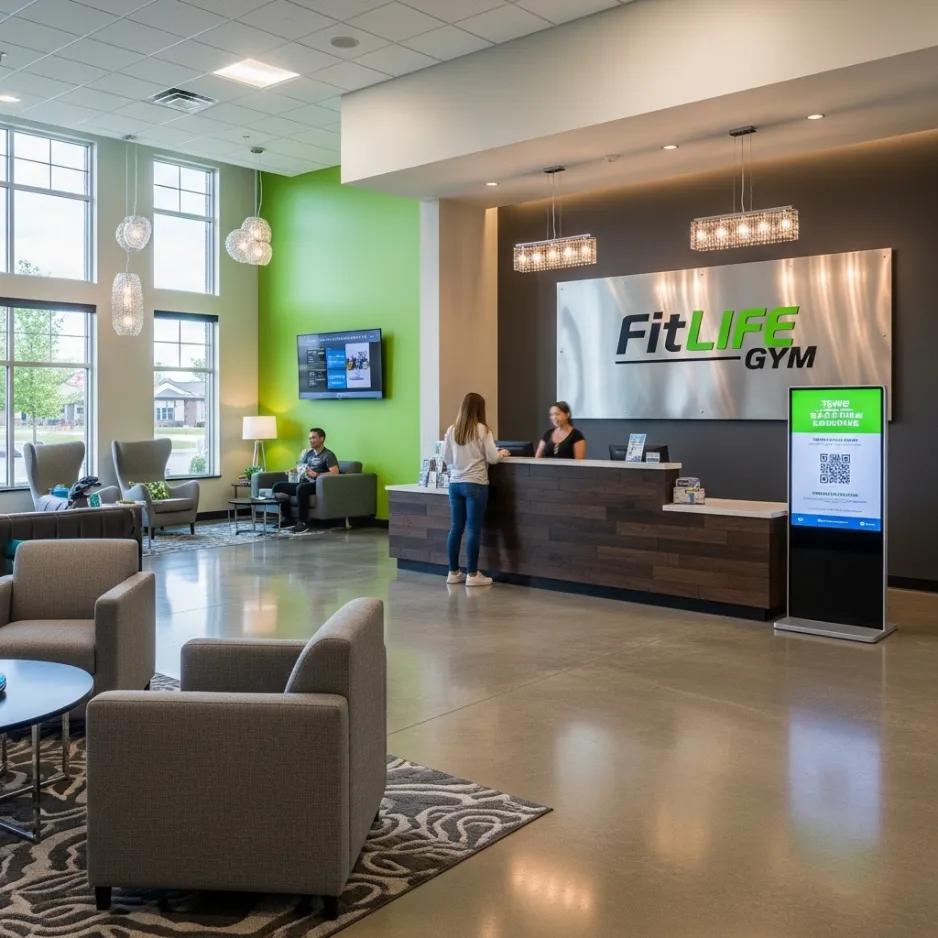
Custom Signs in Cumming, GA
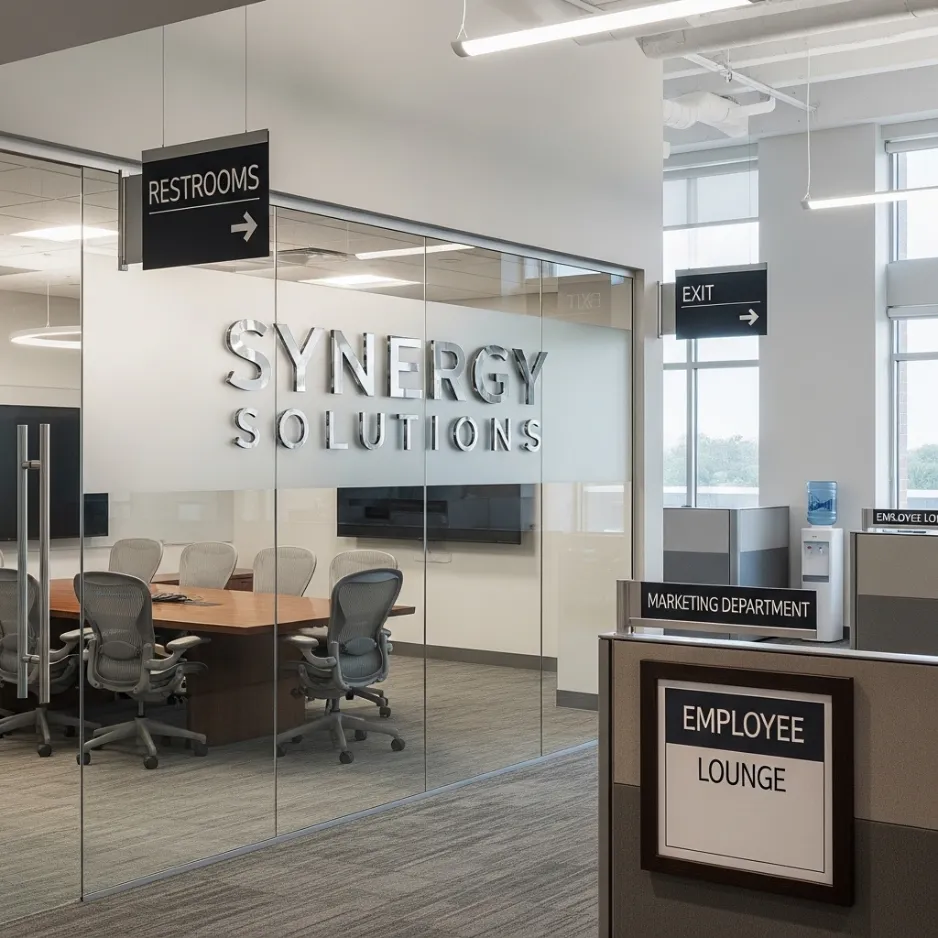
Sign Installation in Cumming, GA
Trusted by Businesses Across Cumming and Forsyth County
Learn More About Business Signage
What Is the Best Sign for a Business in Cumming, GA?
Do You Need a Permit for a Business Sign in Georgia?
If you are planning to install a new business sign in Georgia, one of the first questions you should ask is:
Do I need a permit?
The short answer is yes, in most cases, you do.
However, the real answer depends on your location, the type of sign, and local regulations. Signage rules are not just set at the state level, they are controlled by cities and counties, including Cumming and Forsyth County.
Understanding the permitting process before you begin can save you time, money, and frustration.
In this guide, we will break down when permits are required, how the process works, and what you need to know before installing a sign for your business.
Why Sign Permits Exist
Sign permits are not just paperwork. They exist to regulate how signage impacts the community.
Local governments use sign regulations to:
• Maintain visual consistency
• Prevent unsafe installations
• Control size, lighting, and placement
• Ensure compliance with zoning laws
In areas like Cumming, GA, signage must align with local codes that protect both businesses and the surrounding environment.
Do All Signs Require a Permit?
Not every sign requires a permit, but most permanent business signage does.
Typically Requires a Permit
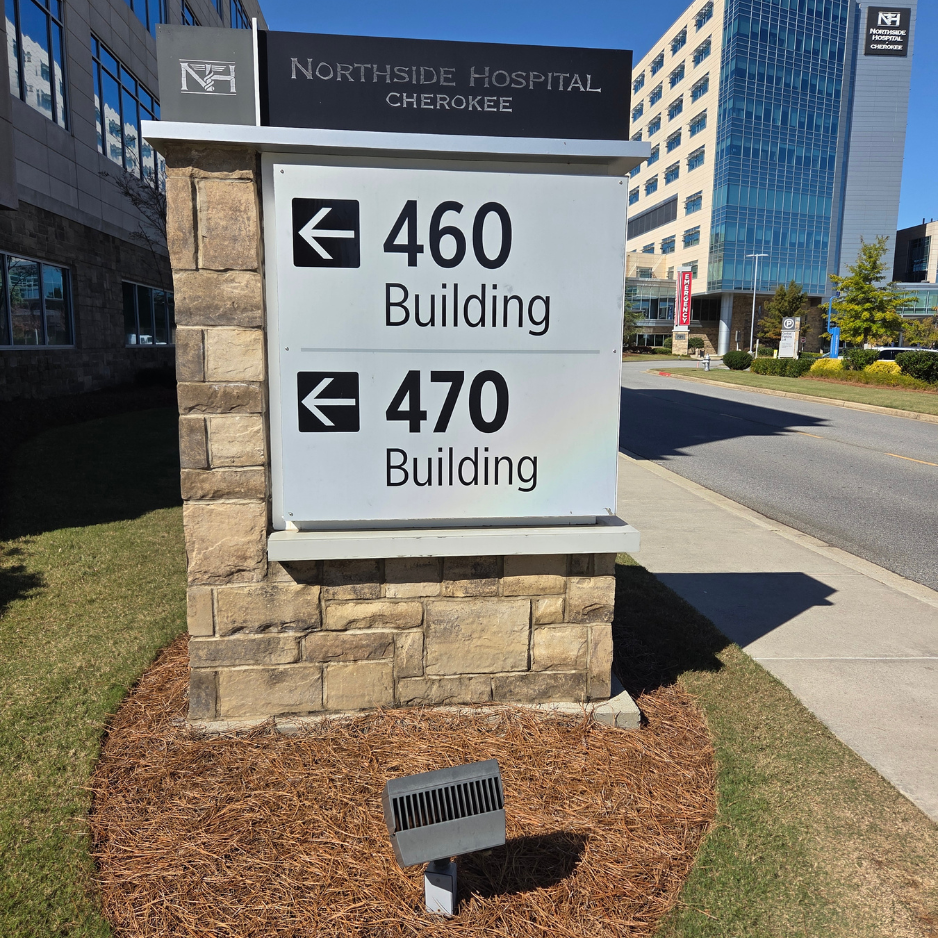
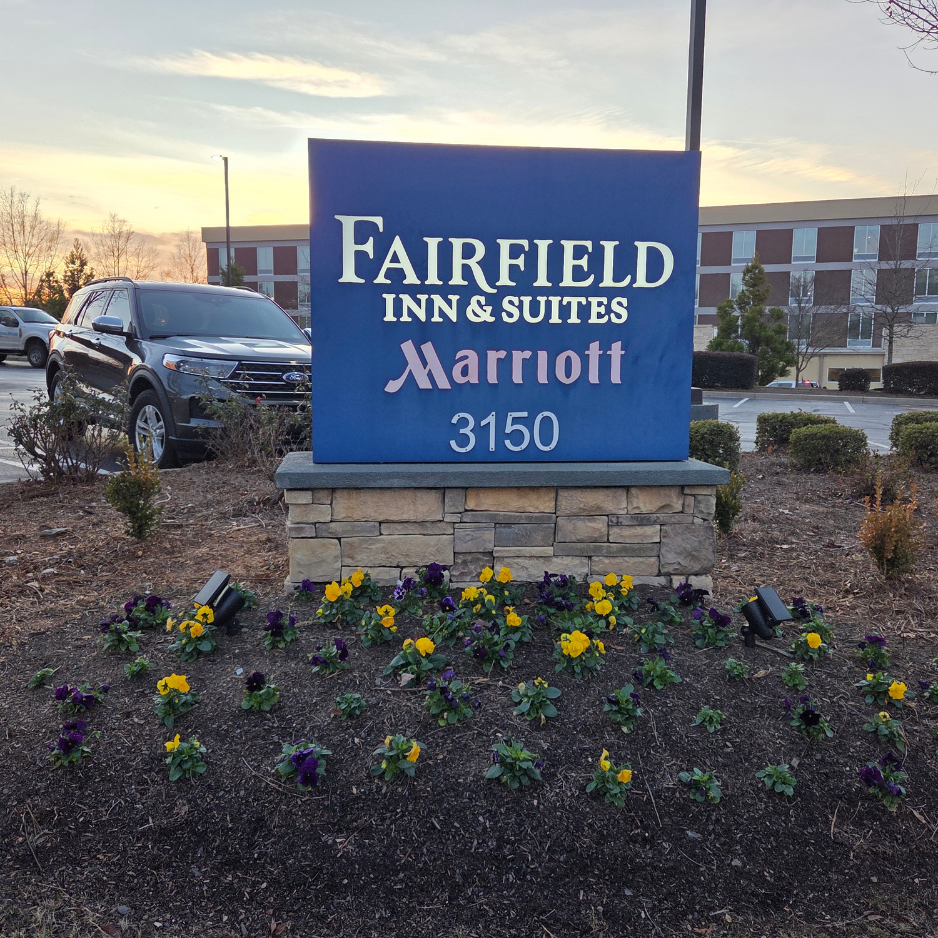
• Monument signs
• Channel letters
• Storefront signs
• Pylon signs
• Illuminated signs
• Large exterior signage
May Not Require a Permit
• Temporary signs
• Small window decals
• Interior signage
• Promotional banners (in some cases)
The exact requirements vary depending on local ordinances.
Sign Regulations in Cumming and Forsyth County
If your business is located in Cumming or Forsyth County, your signage must comply with local zoning and sign codes.
These regulations often include:
• Maximum sign size
• Height restrictions
• Lighting requirements
• Placement rules
• Distance from roadways
• Number of signs allowed per property
For example, a monument sign in a commercial area may have different requirements than signage for a shopping center or office building.
Because of this, it is important to work with a sign company that understands local regulations.
The Sign Permitting Process
While the exact process can vary, most sign permits follow a similar structure.
Step 1: Design and Planning
Before submitting for a permit, you need a complete design that includes dimensions, materials, and placement.
Step 2: Application Submission
Your sign company or contractor submits the application to the local authority, such as the city or county.
Step 3: Review Process
The application is reviewed to ensure it meets all local codes and zoning requirements.
Step 4: Approval or Revisions
If everything meets requirements, the permit is approved. If not, adjustments may be needed.
Step 5: Installation
Once approved, installation can move forward.
How Long Does It Take to Get a Sign Permit?
Permit timelines vary depending on:
• Type of sign
• Complexity of the project
• Local government processing time
In many cases, it can take anywhere from a few days to several weeks.
Planning ahead is critical, especially if you are opening a new business or rebranding.
Common Mistakes That Delay Approval
Many permit delays are avoidable.
Here are the most common issues:
Incomplete Applications
Missing details or incorrect information can slow down the process.
Non Compliant Designs
If your sign does not meet local codes, it will need to be revised.
Incorrect Zoning Assumptions
Different zones have different rules. What works in one area may not work in another.
Not Accounting for Landlord or Property Requirements
Some properties have their own signage guidelines.
Why Working with a Local Sign Company Matters
Navigating permits on your own can be complicated.
A local sign company understands:
• Cumming and Forsyth County regulations
• Zoning requirements
• Application processes
• Common approval issues
This experience can significantly speed up your project and reduce the risk of delays.
What Happens If You Skip the Permit?
Installing a sign without the proper permit can lead to serious consequences.
These may include:
• Fines
• Required removal of the sign
• Delays in business operations
• Additional costs to bring the sign into compliance
It is always better to handle permitting correctly from the beginning.
Planning Your Sign the Right Way
If you are considering new signage, the best approach is to start with a plan.
Think about:
• Your location and visibility
• The type of sign you need
• Local regulations
• Your timeline
By planning ahead, you can avoid delays and ensure your signage is both effective and compliant.
Frequently Asked Questions
Do I always need a permit for a business sign in Georgia?
In most cases, yes, especially for permanent exterior signage.
Who handles the permit process?
Typically, your sign company can handle permitting on your behalf.
How long does approval take?
It can range from a few days to several weeks depending on the project.
Are there different rules for different cities?
Yes. Each city and county, including Cumming and Forsyth County, has its own regulations.
Final Thoughts
Sign permits are an essential part of the signage process.
While they may seem like an extra step, they ensure your sign is safe, compliant, and built to last.
Understanding the requirements ahead of time can save you from delays and unexpected costs.
If you are planning a new sign and want help navigating the permitting process, visit:

Ready to Turn Your Windows Into Marketing Space?
Window graphics are one of the fastest and most effective ways to improve visibility and attract customers.

Custom signs designed, fabricated, and installed for businesses across Cumming, GA and Forsyth County.
Signary Custom Signs And Graphics is operated by Ayakn Group
Copyright 2026. Signary Custom Signs And Graphics . All rights reserved. Powered by Launch360.