



Sign Permits in Cumming, GA:
What You Need to Know
Understanding Local Sign Regulations and Requirements
If you are planning to install a business sign in Cumming, GA, you may need a permit before installation. Sign regulations vary based on location, sign type, and size.
This guide explains when permits are required, what to expect, and how to stay compliant with local regulations.
Do You Need a Permit for
a Business Sign in
Cumming, GA?
In many cases, yes.
Most permanent exterior signs require permits, including:
Monument signs
Channel letters
Storefront signs
Pylon signs
Large exterior signage
Permit requirements depend on:
Sign size
Location
Zoning regulations
Illumination

What Types of Signs Typically Require Permits

Exterior Building Signs
Mounted signs such as channel letters

Monument Signs
Freestanding entrance signage

Pylon Signs
Tall roadside signage

Post and Panel Signs
May require permits depending on size and placement
Signs That May Not
Require Permits
Some temporary or smaller signage may not require permits.
These can include:
Window graphics (in many cases)
Temporary signs
Interior signage
However, regulations vary, so it is always best to verify requirements.
What Is Involved in the Permit Process
The permit process typically includes:
Site Evaluation
Reviewing your property and sign location
Design Approval
Ensuring your sign meets local guidelines
Application Submission
Submitting plans and documentation
Review & Approval
Local authorities review for compliance
Installation
Once approved, your sign can be installed
Common Sign Regulations
in Cumming, GA
While requirements vary, common regulations include:
Maximum sign size
Height restrictions
Placement rules
Illumination guidelines
Zoning requirements
These rules are designed to maintain safety and consistency across commercial areas.
Why Permit Compliance Matters
Avoid Delays
Unapproved signage can delay your project.
Prevent Fines
Non-compliant signage can result in penalties.
Ensure Safety
Proper installation and placement are critical.
Protect Your Investment
Approved signage avoids costly changes later.
We Help Manage the
Permit Process
At Signary Custom Signs and Graphics, we assist with the permit process as part of your project. We help:
Review requirements
Prepare documentation
Submit applications
Coordinate approvals
Our goal is to make the process smooth and efficient.
Sign Permits in Cumming, GA and Surrounding Areas
We assist businesses across:
Cumming, GA
Forsyth County
Alpharetta
Johns Creek
Dawsonville
Milton
We understand local requirements and how to navigate them.
Frequently Asked Questions
How long does it take to get a sign permit?
It varies, but most permits take several weeks depending on the project.
Can I install a sign without a permit?
For most permanent exterior signs, a permit is required.
Do you handle the permit process?
Yes. We assist with permitting as part of our services.
What happens if my sign is not compliant?
You may be required to modify or remove the sign.



Trusted by Businesses Across Cumming
and Forsyth County
Signage Insights for Business Owners
Explore expert guidance, permitting tips, and sign design advice for businesses in Cumming, GA and surrounding areas.

Do You Need a Permit for a Business Sign in Georgia?
If you are planning to install a new business sign in Georgia, one of the first questions you should ask is:
Do I need a permit?
The short answer is yes, in most cases, you do.
However, the real answer depends on your location, the type of sign, and local regulations. Signage rules are not just set at the state level, they are controlled by cities and counties, including Cumming and Forsyth County.
Understanding the permitting process before you begin can save you time, money, and frustration.
In this guide, we will break down when permits are required, how the process works, and what you need to know before installing a sign for your business.
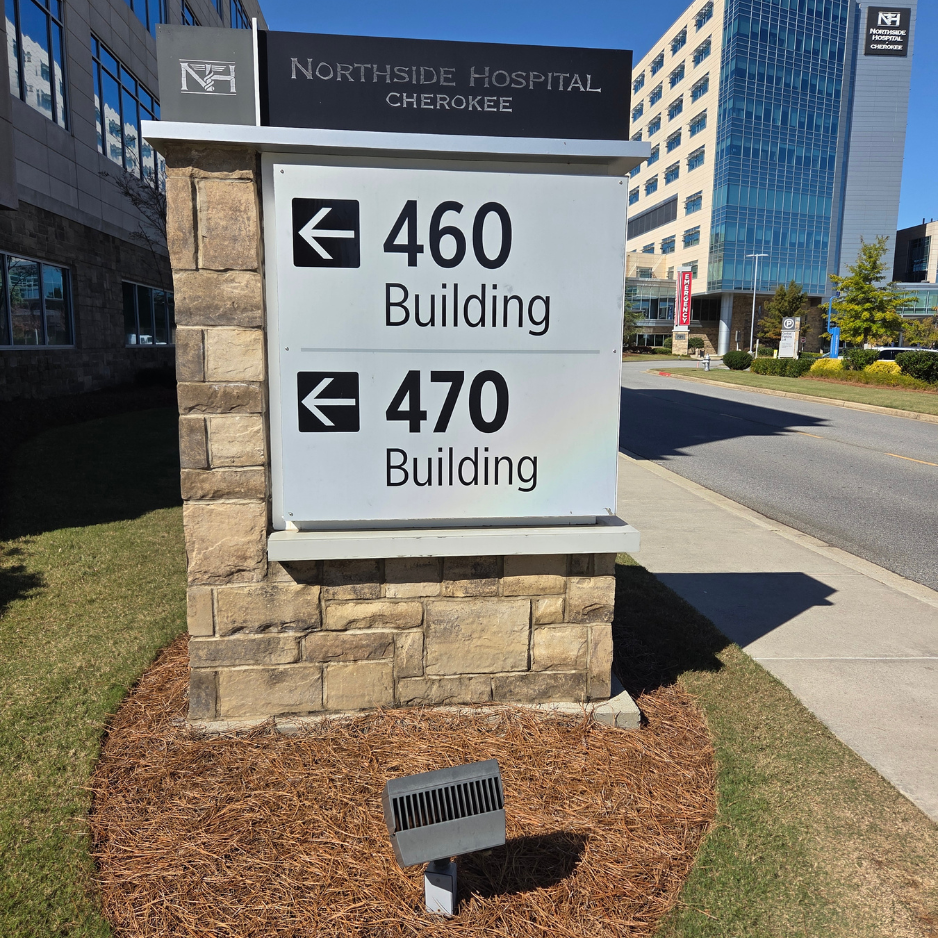
Why Sign Permits Exist
Sign permits are not just paperwork. They exist to regulate how signage impacts the community.
Local governments use sign regulations to:
• Maintain visual consistency
• Prevent unsafe installations
• Control size, lighting, and placement
• Ensure compliance with zoning laws
In areas like Cumming, GA, signage must align with local codes that protect both businesses and the surrounding environment.
Do All Signs Require a Permit?
Not every sign requires a permit, but most permanent business signage does.
Typically Requires a Permit
• Monument signs
• Channel letters
• Storefront signs
• Pylon signs
• Illuminated signs
• Large exterior signage
May Not Require a Permit
• Temporary signs
• Small window decals
• Interior signage
• Promotional banners (in some cases)
The exact requirements vary depending on local ordinances.
Sign Regulations in Cumming and Forsyth County
If your business is located in Cumming or Forsyth County, your signage must comply with local zoning and sign codes.
These regulations often include:
• Maximum sign size
• Height restrictions
• Lighting requirements
• Placement rules
• Distance from roadways
• Number of signs allowed per property
For example, a monument sign in a commercial area may have different requirements than signage for a shopping center or office building.
Because of this, it is important to work with a sign company that understands local regulations.
The Sign Permitting Process
While the exact process can vary, most sign permits follow a similar structure.
Step 1: Design and Planning
Before submitting for a permit, you need a complete design that includes dimensions, materials, and placement.
Step 2: Application Submission
Your sign company or contractor submits the application to the local authority, such as the city or county.
Step 3: Review Process
The application is reviewed to ensure it meets all local codes and zoning requirements.
Step 4: Approval or Revisions
If everything meets requirements, the permit is approved. If not, adjustments may be needed.
Step 5: Installation
Once approved, installation can move forward.
How Long Does It Take to Get a Sign Permit?
Permit timelines vary depending on:
• Type of sign
• Complexity of the project
• Local government processing time
In many cases, it can take anywhere from a few days to several weeks.
Planning ahead is critical, especially if you are opening a new business or rebranding.
Common Mistakes That Delay Approval
Many permit delays are avoidable.
Here are the most common issues:
Incomplete Applications
Missing details or incorrect information can slow down the process.
Non Compliant Designs
If your sign does not meet local codes, it will need to be revised.
Incorrect Zoning Assumptions
Different zones have different rules. What works in one area may not work in another.
Not Accounting for Landlord or Property Requirements
Some properties have their own signage guidelines.
Why Working with a Local Sign Company Matters
Navigating permits on your own can be complicated.
A local sign company understands:
• Cumming and Forsyth County regulations
• Zoning requirements
• Application processes
• Common approval issues
This experience can significantly speed up your project and reduce the risk of delays.
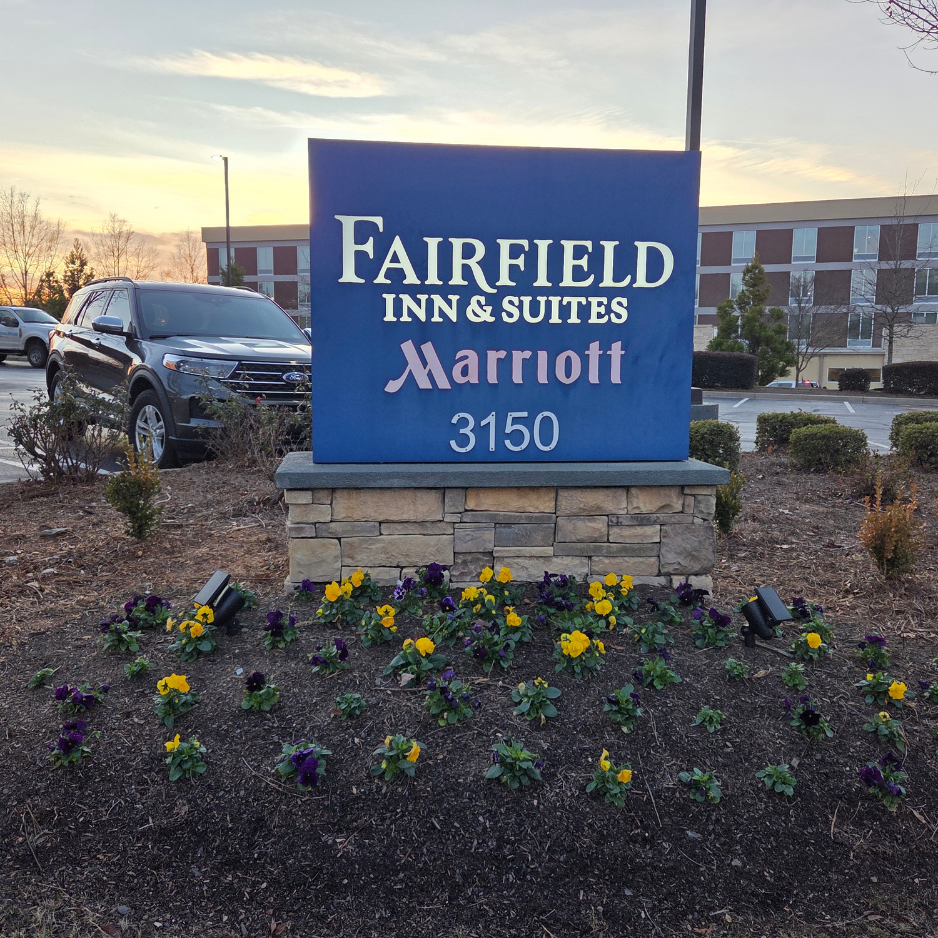
What Happens If You Skip the Permit?
Installing a sign without the proper permit can lead to serious consequences.
These may include:
• Fines
• Required removal of the sign
• Delays in business operations
• Additional costs to bring the sign into compliance
It is always better to handle permitting correctly from the beginning.
Planning Your Sign the Right Way
If you are considering new signage, the best approach is to start with a plan.
Think about:
• Your location and visibility
• The type of sign you need
• Local regulations
• Your timeline
By planning ahead, you can avoid delays and ensure your signage is both effective and compliant.
Frequently Asked Questions
Do I always need a permit for a business sign in Georgia?
In most cases, yes, especially for permanent exterior signage.
Who handles the permit process?
Typically, your sign company can handle permitting on your behalf.
How long does approval take?
It can range from a few days to several weeks depending on the project.
Are there different rules for different cities?
Yes. Each city and county, including Cumming and Forsyth County, has its own regulations.
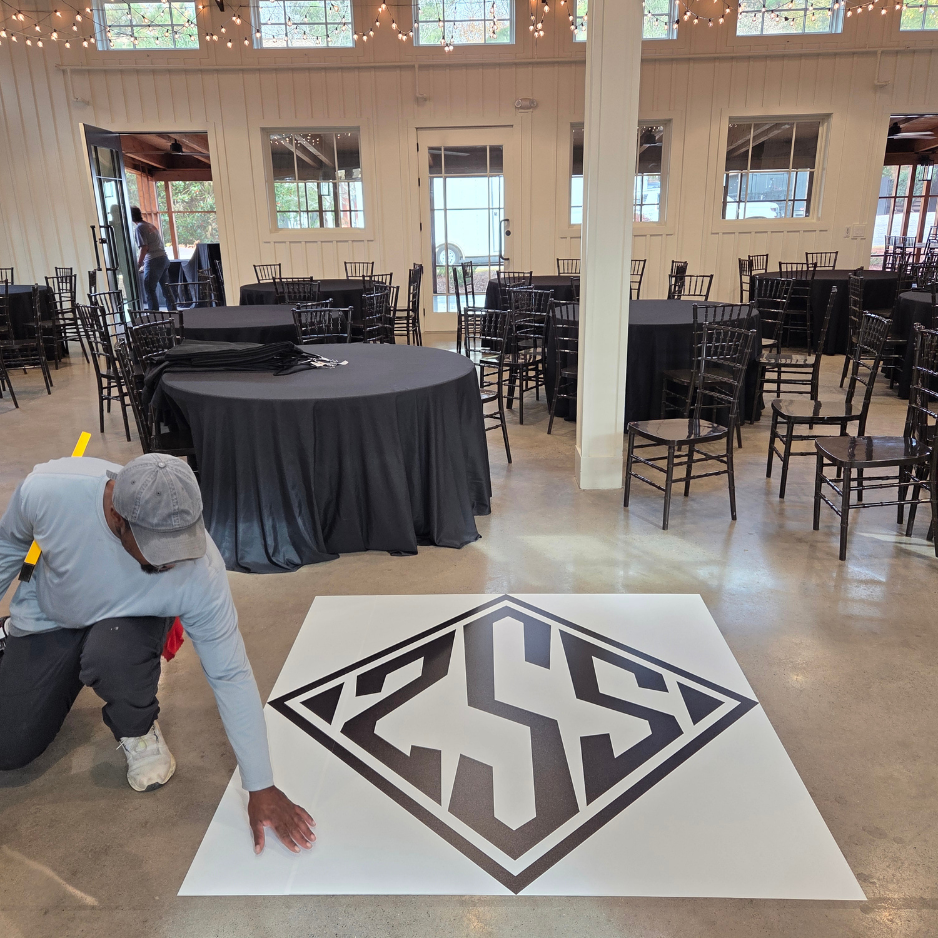
Final Thoughts
Sign permits are an essential part of the signage process.
While they may seem like an extra step, they ensure your sign is safe, compliant, and built to last.
Understanding the requirements ahead of time can save you from delays and unexpected costs.
If you are planning a new sign and want help navigating the permitting process, visit:

Need Help with Sign Permits?
We guide you through the process and handle the details so you can focus on your business.

Custom signs designed, fabricated, and installed for businesses across Cumming, GA and Forsyth County.
Signary Custom Signs And Graphics is operated by Ayakn Group
Copyright 2026. Signary Custom Signs And Graphics . All rights reserved.